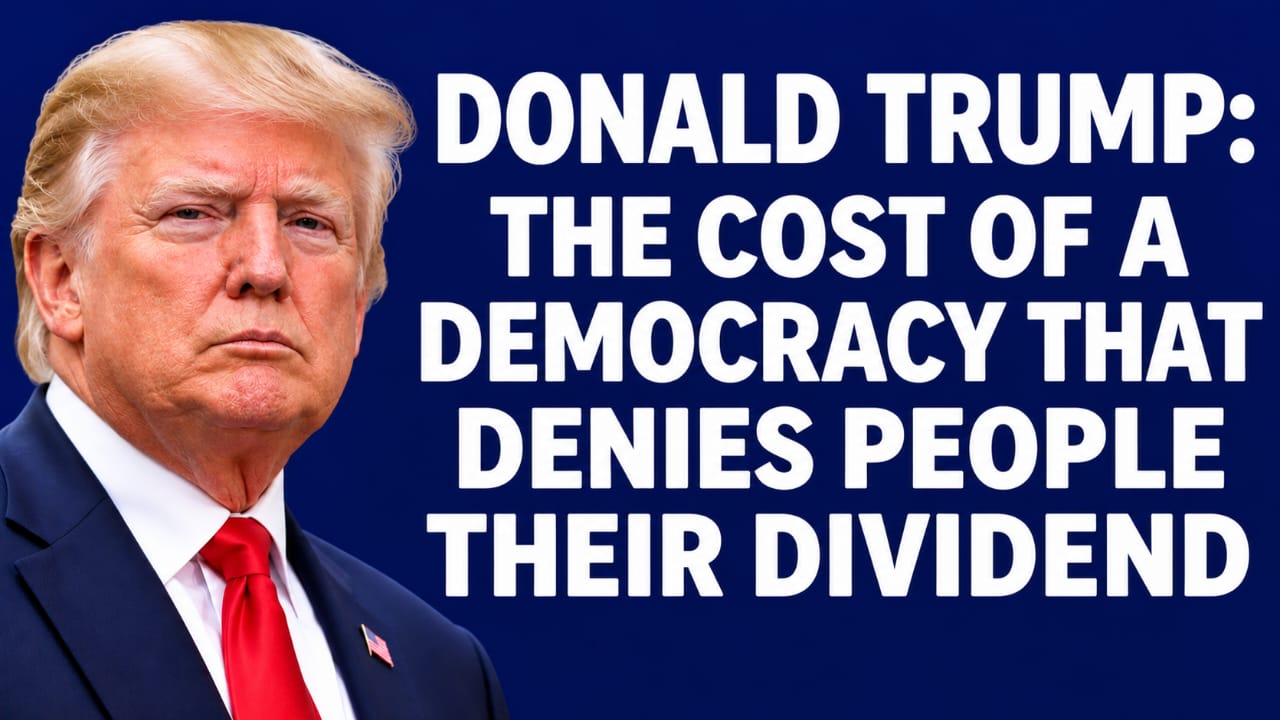
Donald Trump: The Cost of a Democracy that Denies People Their Dividend
"When we say democracy is not the constitution's promises on paper, it is what people experience day to day. People feel it when their votes count and they still feel respected between elections"
Political power demands restraint, responsibility, and accountability. From Donald Trump's record, there are practical examples. Promises like ending the war quickly must be matched by honest timelines and explanations when realities change, and not by slogans.
Military strength does not erase international law or other nations' sovereignty, even if you can overpower them. Winning office never puts a leader above the constitution. Courts and legislatures do set limits. Words from the podium can move markets, strain alliances, or raise tensions. The lasting test is simple, what people had to live through because of your decisions. That is the lesson for a leader.
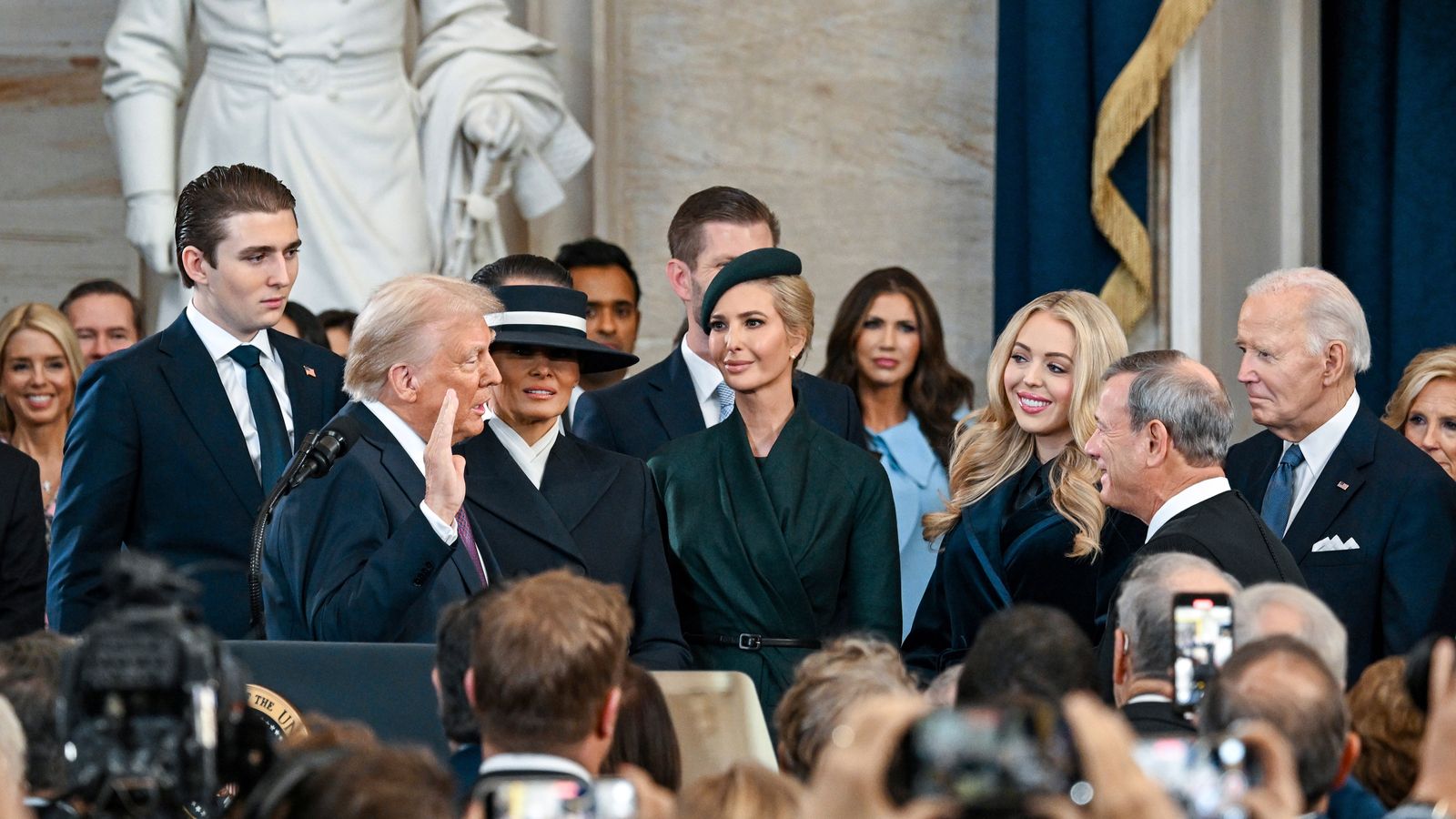
In practice, democracy means people can take part in decisions that shape their lives without wealth determining whose voice counts. Laws are applied equally, officials answer to the public, and courts do not bend for the well-connected. Democracy is not just voting every few years, where power ignores you, and where majority rule exists without rights for the minority. It is not loyalty to a leader over loyalty to the constitution. Not just promises on paper. They have to feel equal justice in their daily lives. When power is scrutinized and justice is not for sale, democracy feels real.
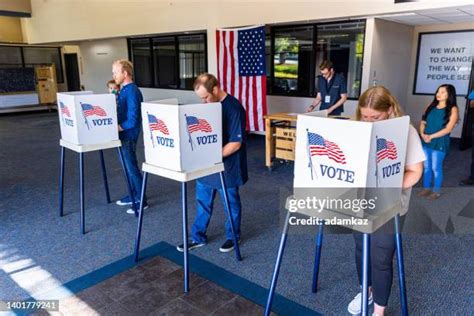
When we say democracy is not the constitution's promises on paper, it is what people experience day to day. People feel it when their votes count and they still feel respected between elections. They feel it when speaking up does not risk punishment. They feel it when police and the courts apply the law evenly, not by money or party. They feel it when leaders explain themselves, correct mistakes, and can be removed peacefully. They notice it when minorities and the poor are not disposable, and where the rules also protect them. The measure is simple and unforgiving, where ordinary people can challenge power without fear and see their outcomes, that's real. If not, that is branding. True democracy is where power stays smaller than the people, not the other way round.
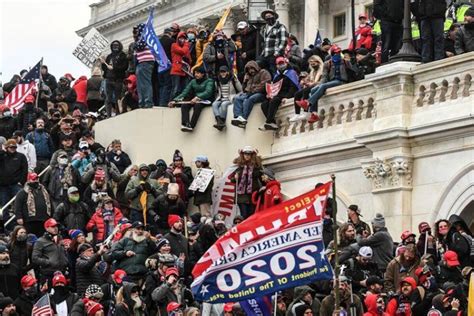
The dividends of democracy are things you can point to. Food on the table, pay that covers needs, medicine you can afford, safe streets where families can sleep without fear, reliable electricity and water, roads that let farmers reach markets, schools where teachers show up, hospitals that treat you before asking who you know. It is also fair chances to work and bill, so prosperity is not locked behind gates. Not perfect equality, but at least a fair shot. Public money turning into public goods and not private privilege. When people can see those improvements in their lives and can keep them, that is democracy paying its dividend.
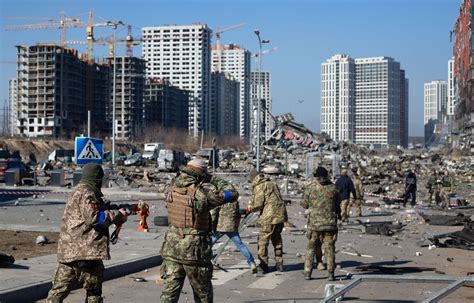
Many Americans accepted Trump's return in 2024 despite baggage. Not because they agreed on everything, but because different groups converged around shared concerns. Immigration, inflation, and frustration with the status quo. That was an intersection of interests, not full unity. Two years later, voters shifted again, giving the Democrats control of Congress in the midterm. Even though they could not take away his executive authority, that contrast shows the core of American democracy as the intersection of ideologies. People can authorize power and then rebalance it. Support a leader and demand stricter oversight. Leaders change, parties rise and fall, but the right to question, to adjust, and to redirect belongs to the people. That is why democracy must remain greater than any president, any party, or any ideology.
By Samuel Tunji Adeyanju
Enjoyed this? Get the weekly round-up
New posts from Giantability in your inbox once a week, plus each new magazine issue.
-800x500.jpg)